DYRKA
Transforming Creative Production for a DTC Eyewear Brand Through AI-Generated Content
Industry:
DTC Eyewear / Fashion E-Commerce
Company Size:
< 10 employees
Engagement Length:
10 weeks
Services Delivered:
AI Creative Strategy, Content Production Transformation, Campaign Execution
Overview
Dyrka is a direct-to-consumer eyewear brand with a strong aesthetic identity and a growing customer base. Like most lean DTC brands, its ability to produce high-quality visual content was constrained by budget, logistics, and production timelines.
Traditional look book campaigns requiring photographers, models, studios, retouchers, and art directors were cost-prohibitive at the frequency the brand needed to stay competitive. The solution wasn't to spend more. It was to rebuild how content was made entirely.
The Core Problem
Dyrka's creative output was limited not by vision, but by the cost and complexity of traditional production.
Key issues included:
High per-campaign production costs making frequent content refreshes financially unviable
Long lead times between concept and final creative assets
Dependency on external photographers, models, and studios creating scheduling bottlenecks
Limited ability to test and iterate on visual concepts before committing to full shoots
Creative velocity too low to support effective paid media testing and scaling
The brand had strong product-market fit. What it lacked was a content engine that could match its ambition without draining its budget.
Constraints & Reality Check
This was not a brand without creative direction. Dyrka already had:
A defined visual identity and brand aesthetic
Validated product demand
An engaged customer base
What it lacked was the infrastructure to produce world-class visual content at a cost and speed that made commercial sense for a sub-10 person operation.
Strategic Approach
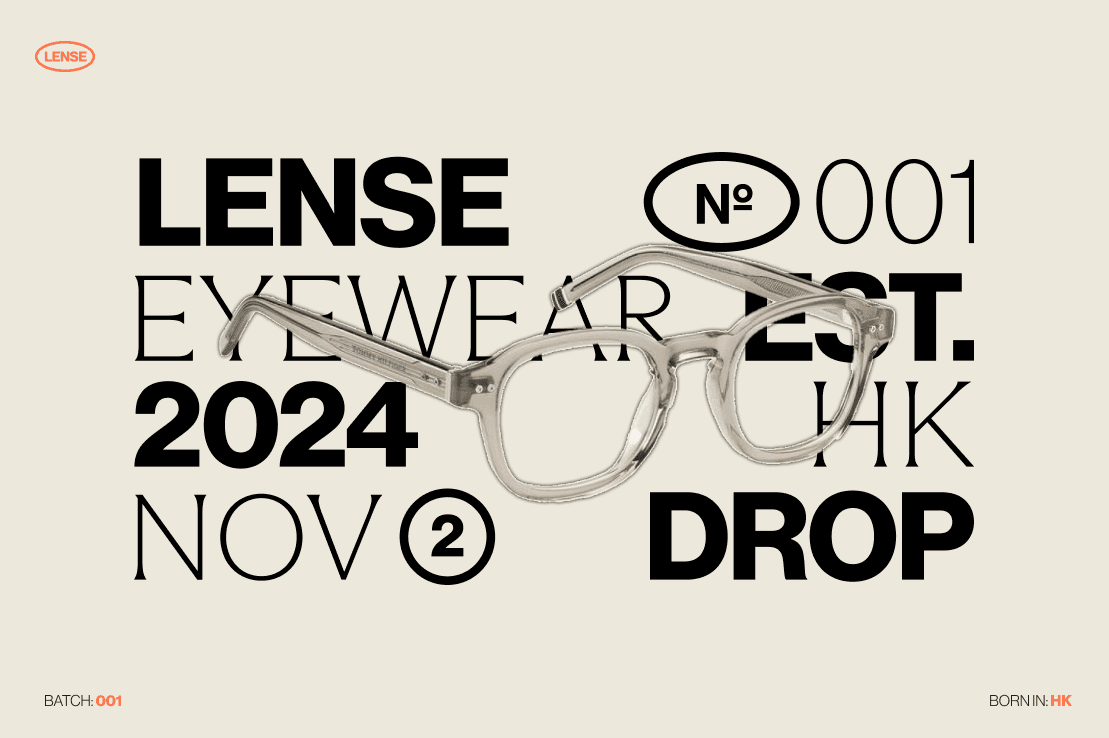
Rather than optimizing the traditional production model, we replaced it. The entire lookbook campaign was rebuilt around AI-generated imagery using generative AI tools to produce campaign-quality visuals without photographers, models, studios, or post-production teams. This wasn't a compromise on quality. It was a fundamental upgrade to how creative production works for a lean brand.
AI Creative Production
Every image in the look book campaign was generated using AI from model selection and environment design to lighting, composition, and final output. The creative direction remained fully human-led, with AI executing at a fraction of traditional cost.
Campaign Architecture
The AI-generated content was structured as a full look book campaign, coherent, on-brand, and ready for deployment across paid media, organic social, and the website.
Iterative Testing
With production costs near zero per asset, the team could generate multiple visual directions, test concepts rapidly, and iterate without financial consequence.
Key Initiatives Implemented
Replaced traditional photography production with AI-generated look book campaign
Developed an AI content workflow enabling rapid creative iteration
Produced a full campaign asset library without a single physical shoot
Maintained brand aesthetic consistency across all AI-generated visuals
Enabled faster creative testing cycles for paid media performance
Quantitative Results
Minimum $20,000 saved per campaign versus traditional production costs
Full look book campaign delivered at a fraction of conventional timelines
Creative output capacity increased dramatically without headcount additions
Cost per creative asset reduced to near zero at the production level
Qualitative Impact
Creative decisions no longer constrained by budget or logistics
Brand team empowered to explore visual directions without financial risk
Faster time to market for campaign launches
A replicable, scalable content production model the brand can run indefinitely
Proof of concept for AI-first creative operations in DTC fashion
Dyrka didn't just run an AI-generated campaign. It proved that a small, ambitious brand can produce content that competes with brands spending ten times more by rebuilding the production model from the ground up.
Case studies